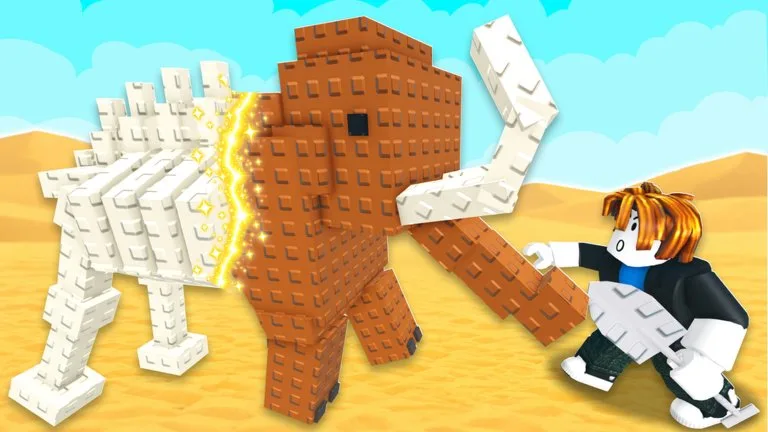
The stated aim of [🎃] Find Animal Bones is to discover rare animals, complete the collection, and revive them all. The game does not publish a rarity table, a luck bonus per pet, or a drop percentage. A dramatic name is a collection target, not a finished pet and not a power rank.
Three piles, one next action
Split the roster into animals you have revived, skeletons you have started, and names you have only heard about. The pet collection is the revived pile. An unfinished skeleton stays on the work pile even if you have seen the creature. A name from this site's animal list stays in the third pile until you actually find a piece.
For the current session, pick one unfinished skeleton. Let other discoveries land where they belong. Switching targets does not change the next dig. It only changes which gap you notice.
When a rare find shows up
- Identify the animal. Named gameplay examples include Mammoth, Triceratops, T-Rex, Unicorn, Griffin, Phoenix, and Dragon, plus the everyday set from Chicken through Gorilla.
- Check whether the bone is a new piece or a repeat. Repeats happen on unfinished skeletons.
- Add a needed piece and keep digging until that skeleton is complete, or park it and return with the gap written down.
- After revival, confirm the pet, then choose the next gap. The three Halloween animals announced by BONES BONES belong in this same process once you learn their names. Those names were not in the announcement.
Use the recorded totals only as assembly size
Fox 8, Bear 12, Crocodile 16, and Gorilla 17 are the only published skeleton sizes. They answer "how many pieces does this fresh target need?" They do not answer "which pet is stronger?" If your Bear is closer to done than a new Fox, finish Bear. The comparison is written up under assembly order.
Quests that name a pair, such as Rabbit and Pig or Sheep and Cow, override a personal favorite until that objective is done. Track the two animals separately so one revival is not mistaken for both.