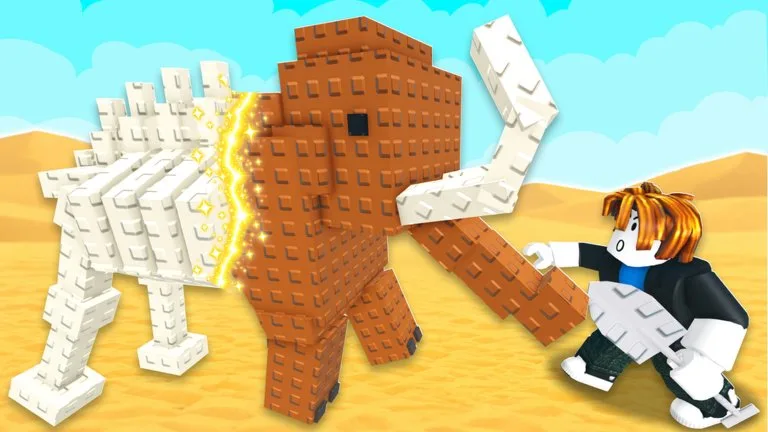
A skeleton is the step between a dug-up bone and a pet. [🎃] Find Animal Bones revives an animal after its missing bones are in place. Discovering the name, or holding a single bone, is not the revived animal.
The Chicken result
In the opening gameplay the final Chicken bone completes the skeleton, Chicken is revived, and it follows the player. That is the sequence to copy: useful piece, assembly, living pet. Do not copy an unknown Chicken piece count onto Fox, Bear, or anything else. Each skeleton uses its own missing pieces.
After revival, take that animal off the unfinished list and choose another target. Progress you already made on a different creature still counts; you do not have to abandon it just because Chicken is done.
Duplicates while a skeleton is open
Gameplay shows repeated pieces while other parts of the same skeleton are still missing. Nearly complete does not mean the next bone finishes it. Before the shredder, separate a needed piece from an unwanted repeat. The clear disposal example is duplicate Chicken bones after Chicken is already revived. Details are in junk and Ducats.
Recorded totals, and what they are not
These denominators come from skeleton counters in gameplay sessions. They are assembly sizes for a fresh comparison of four animals, not pet power, drop odds, or a promise about how long your own session will take. The numerators in those same sessions (Fox at 5/8, Bear at 10/12, Crocodile at 13/16, Gorilla at 13/17) were one player's progress at those moments.
| Animal | Recorded total bones | Compared with the previous row |
|---|---|---|
| Fox | 8 | Smallest total in this four-animal sample |
| Bear | 12 | 4 more than Fox |
| Crocodile | 16 | 4 more than Bear |
| Gorilla | 17 | 1 more than Crocodile |
If you want a smaller fresh assembly target, Fox is the lowest recorded total here. If another animal is already close, finishing that one is the better session even when its total is higher. A larger total does not mean a stronger pet. Many other creatures are named in gameplay, from Cow and Wolf to Mammoth and Dragon, and their piece counts were not recorded. The animal list keeps those names without inventing totals. The assembly comparison is this same editorial order, limited to the four counted skeletons.
Early quests
Quests name a result inside the same loop. Gameplay shows objectives for completing Chicken, earning Ducats, and shredding items. Later examples name pairs: Rabbit and Pig, and Sheep and Cow. Read the objective on your screen.
- A completion quest finishes the named animal. Money spent on equipment does not, by itself, complete it.
- An earning quest is Ducat progress. Keep digging for bones at the same time, but do not expect the purchase to check off the animal.
- A shred quest uses unwanted finds from that excavation. Keep bones the skeleton still needs.
- A paired objective is two animals. Rabbit alone is not Rabbit and Pig. Write both names down, finish the one that is closer, then switch.
Do not treat the order in a video as a permanent quest chain. Do not spend a quest reward you have not received.